Whether you're competing, training or cycle touring, the choice of bike wheels is crucial to your comfort and performance. Between carbon, aluminium, tubeless, tubetype and tubular, what is the right equipment for each discipline?|>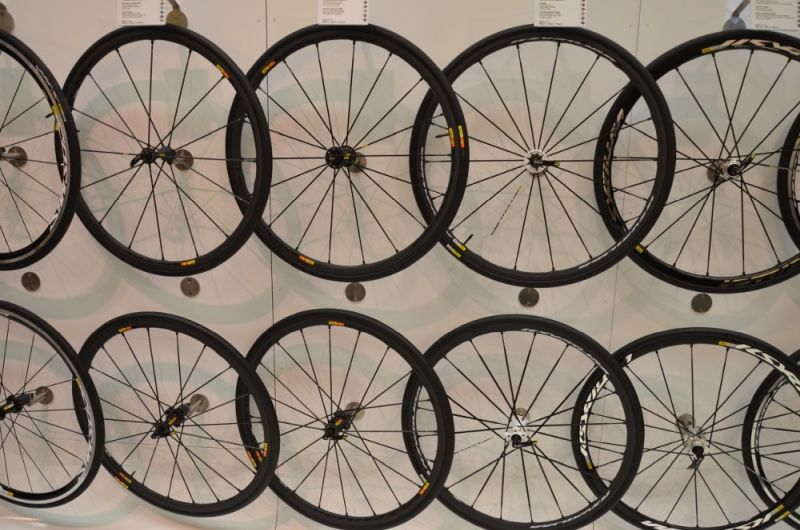
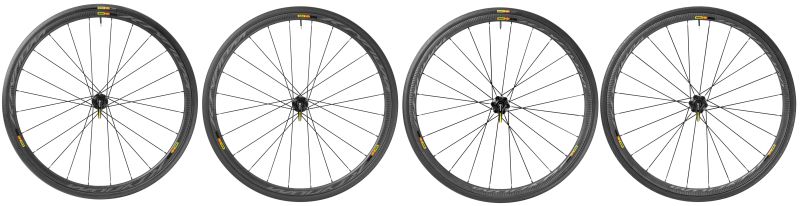
Mavic Ksyrium wheels are a benchmark among competitive cyclists. Available in a wide range of versions, they are versatile, comfortable and durable.
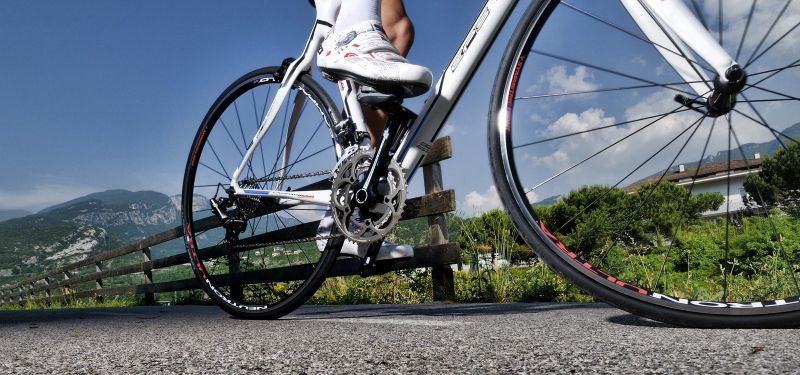
When climbing, you should opt for wheels with a low weight, usually with a low profile.
Some aluminium rim models are also making a name for themselves among climbing wheels,In any case, opt for rigid wheels with radial spokes, whether you install aluminium, full carbon or mixed rims, to ensure maximum responsiveness when accelerating. In addition, opt for tubular tyres, which are not only lighter and more reliable, but also withstand high pressures and allow you to optimise the rigidity of your wheel.lt;br />
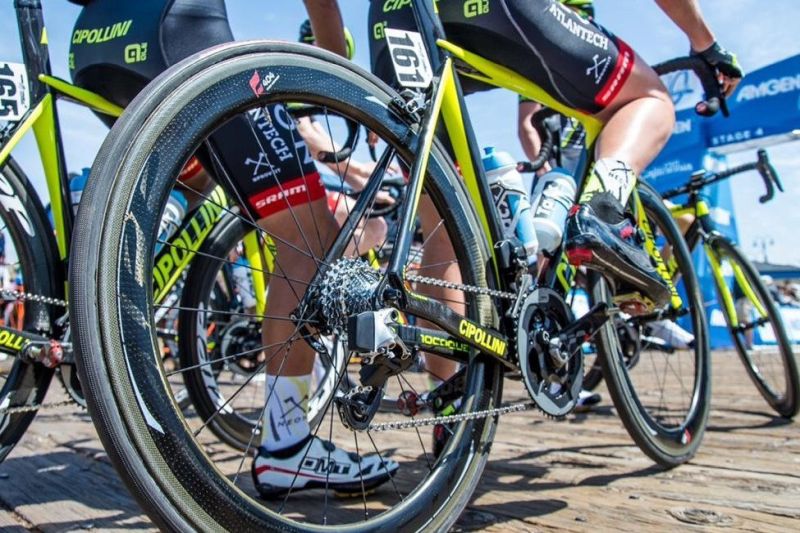
Aerodynamics is an advantage for time trial wheels. The higher the profile, the easier it is to cut through the air.
Rigidity, responsiveness and aerodynamics are the watchwords in time trials. Carbon and tubular tyres are the undisputed choice for this stage. However, tubetype tyres are not ruled out, as their higher weight allows them to take advantage of centrifugal force. At the front, the profiled wheels with spokes orup to 60 mm, have considerable wind penetration capacity and improve theaerodynamics of the bike. The lenticular wheel converts crosswinds into aerodynamic thrust. It is recommended that it be installed only at the rear to ensure the best road holding of the bicycle.|>
Cyclo-cross wheels offer performance and durability. Disc brakes are almost mandatory!
In this discipline, the choice is based on versatility and durability. Your bike wheels must allow you to ride on roads, muddy or snowy trails, and overcome obstacles. Choose flat aluminium rims with tubeless tyres for their strength, reliability and flexibility. While this type of wheel is the most versatile, you can also opt for profiled rims and tubular tyres to gain speed on the road.When it comes to braking, it is essential to install a responsive and easy-to-maintain system. Cable disc brakes are easy to maintain and are ideal for preventing loss of grip after driving through puddles or mud. If, on the other hand, you have rim brakes, consider installing brake pads for wet and muddy conditions.
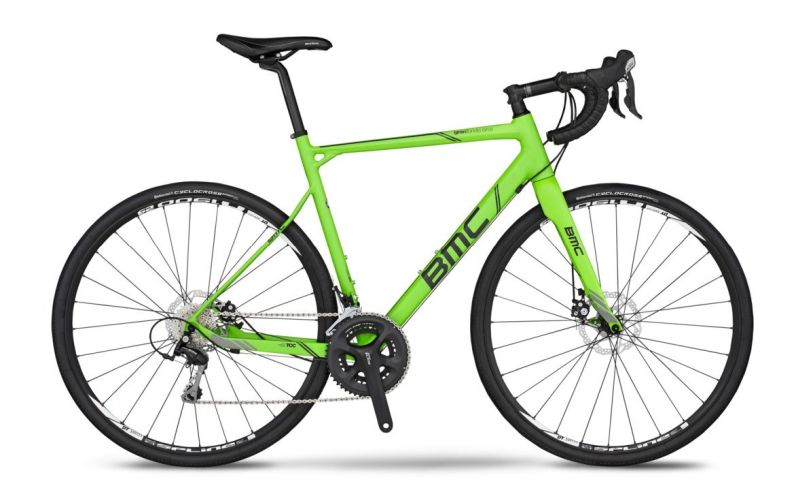 Wide tyres, disc brakes and aluminium are the hallmarks of gravel bike wheels. They need to be just as effective on the road as they are on trails.
Gravel bikes were imported to France a few years ago and are designed for riding on rough roads, forest roads and dirt tracks. Cyclists have therefore experimented with several different configurations, while manufacturers have begun to develop dedicated equipment. Gravel bikes need to be flexible, comfortable and robust, while also being responsive and dynamic. Profiled aluminium rims are particularly popular due to their robustness and aerodynamics. You can fit them with mixed tubeless tyres or choose tubetypes for a smooth ride and easy repairs in the event of a puncture. Also opt for disc brakes to ensure reliable braking in all conditions. Gravel bikes developedby manufacturers are equipped with them.
Choosing road bike wheels for competitive cycling and training
Comfort, flexibility and versatility are among the main factors to consider when it comes to competitive cycling and training. Your wheels must allow you to cover long distances while conserving energy on flat terrain and enabling you to climb hills on mixed terrain. Air or tubeless tyres on low-profile aluminium rims are therefore an ideal compromise. This type of wheel offers excellent road holding, a reasonable comfort/weight ratio and good braking performance. However, if you are undertaking your final week of training before a competition, don'tdon't hesitate to fit tubular tyres on carbon/aluminium hybrid rims to familiarise yourself with your competition equipment.|>Mavic Ksyrium wheels are a benchmark among competitive cyclists. Available in a wide range of versions, they are versatile, comfortable and durable.
Bicycle wheels for mountain passes and mountain biking
Weight has always been the worst enemy of climbers. While the lightest equipment may seem like the obvious choice, it is essential to consider stability and braking when descending. Carbon rims offer the optimal gain in weight and are extremely durable., it is essential to consider stability and braking when going downhill. Carbon rims offer the optimal weight reduction, but require some expertise in braking. Carbon must be heated by the brake pads to ensure optimal grip and requires anticipation when braking, especially in wet or cool weather. The installation of brake discs can compensate for this disadvantage, but will significantly reduce weight savings. In another category, mixed aluminium/carbon rims, such as Mavic's Cosmic Carbone SLE, are a great alternative and offer weight savingswhile halving the braking distance compared to full carbon rims.When climbing, you should opt for wheels with a low weight, usually with a low profile.
Some aluminium rim models are also making a name for themselves among climbing wheels,In any case, opt for rigid wheels with radial spokes, whether you install aluminium, full carbon or mixed rims, to ensure maximum responsiveness when accelerating. In addition, opt for tubular tyres, which are not only lighter and more reliable, but also withstand high pressures and allow you to optimise the rigidity of your wheel.lt;br />
Choosing bike wheels for speed and time trials
Aerodynamics is an advantage for time trial wheels. The higher the profile, the easier it is to cut through the air.
Rigidity, responsiveness and aerodynamics are the watchwords in time trials. Carbon and tubular tyres are the undisputed choice for this stage. However, tubetype tyres are not ruled out, as their higher weight allows them to take advantage of centrifugal force. At the front, the profiled wheels with spokes orup to 60 mm, have considerable wind penetration capacity and improve theaerodynamics of the bike. The lenticular wheel converts crosswinds into aerodynamic thrust. It is recommended that it be installed only at the rear to ensure the best road holding of the bicycle.|>
Cyclocross wheels
Cyclo-cross wheels offer performance and durability. Disc brakes are almost mandatory!
In this discipline, the choice is based on versatility and durability. Your bike wheels must allow you to ride on roads, muddy or snowy trails, and overcome obstacles. Choose flat aluminium rims with tubeless tyres for their strength, reliability and flexibility. While this type of wheel is the most versatile, you can also opt for profiled rims and tubular tyres to gain speed on the road.When it comes to braking, it is essential to install a responsive and easy-to-maintain system. Cable disc brakes are easy to maintain and are ideal for preventing loss of grip after driving through puddles or mud. If, on the other hand, you have rim brakes, consider installing brake pads for wet and muddy conditions.
City bike wheels
Comfort and robustness are the main criteria when choosing urban bike wheels. Your equipment must be flexible enough to allow you to ride on a variety of surfaces, whether asphalt or cobblestones. As carbon rims are not the most impact-resistant, aluminium rims with cross-spoke design are a better choice. The latter aremore suitable for frequent, short stops in town. However, this does not mean you can do without disc brakes, which are both more precise and very stylish. When it comes to city tyres, tubeless tyres are both flexible and durable, helping to optimise your comfort.Gravel bike wheelsWide tyres, disc brakes and aluminium are the hallmarks of gravel bike wheels. They need to be just as effective on the road as they are on trails.Gravel bikes were imported to France a few years ago and are designed for riding on rough roads, forest roads and dirt tracks. Cyclists have therefore experimented with several different configurations, while manufacturers have begun to develop dedicated equipment. Gravel bikes need to be flexible, comfortable and robust, while also being responsive and dynamic. Profiled aluminium rims are particularly popular due to their robustness and aerodynamics. You can fit them with mixed tubeless tyres or choose tubetypes for a smooth ride and easy repairs in the event of a puncture. Also opt for disc brakes to ensure reliable braking in all conditions. Gravel bikes developedby manufacturers are equipped with them.