
The mountain bike fork is one of the most heavily used components on both hardtail and full-suspension mountain bikes, and must be carefully maintained to ensure the comfort and safety of the rider.
A poorly maintained fork will perform poorly, but may also show signs of failure andunstable on technical terrain. A well-maintained fork, on the other hand, will be more effective, more reliable and more durable. What steps should you take to properly maintain your mountain bike fork, and how often should these operations be performed?|>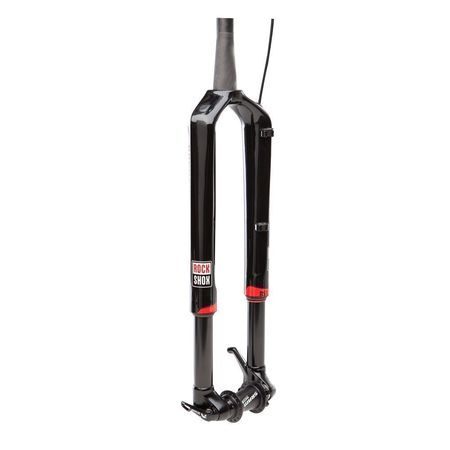
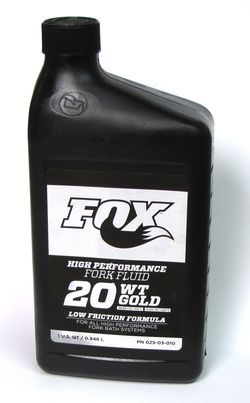
- une clé- a 2 mm Allen key to release the trigger knob on Fox MTB forks - a circlip pliers to release the plunger rods - a mallet- isopropyl alcohol for degreasing and cleaning - a clean cloth for wiping the fork components - 15W viscosity suspension oil.|>
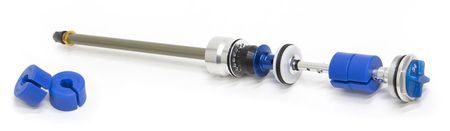
On the suspension side, pour 5 ml of 15W or 20W suspension oil before replacing the sealing piston and screwing on the cap, which has been greasedThe oil introduced into the air chamber will serve to preserve the seals while improving the seal. Finish reassembling the fork by installing the sleeves and lubricating according to the oil bath drainage procedure. Regardless of the type of fork you have, rigorous and up-to-date maintenance will ensureIf each fork model can have its own configuration, maintenance can be carried out according to the manufacturer's instructions. Although each fork model may have its own configuration, maintenance can be carried out according to the same basic principles and procedures. However, it should be noted that maintenance, particularly that involving the dismantling of a mountain bike fork, is a delicate operation, in that each component must be returned to its exact position. It is therefore essential to carry out maintenance in a clean and well-organised workspace.|>
A poorly maintained fork will perform poorly, but may also show signs of failure andunstable on technical terrain. A well-maintained fork, on the other hand, will be more effective, more reliable and more durable. What steps should you take to properly maintain your mountain bike fork, and how often should these operations be performed?|>
After each ride: regular maintenance
Regardless of the brand or model of fork installed on a mountain bike, basic maintenance and inspection are required after each ride. This operation will preserve the aesthetic appearance of the equipment, but also detect any wear and tear that may affect the safety of the rider.This will preserve the appearance of the equipment and detect any damage before it gets worse on your next ride. the next time it is used. It does not require the mountain bike wheel or headset to be removed. This basic maintenance consists of: - wiping the fork plungers, sleeves and seals with a soft cloth or a cloth dampened with isopropyl alcohol to remove any dirt- inspect the fork for any scratches or damage- inspect the plungers for any scratches or damage caused by impact - lightly lubricate the oil seals to prevent premature hardening and cracking of the rubberprevent premature hardening and cracking of the rubber - check the air pressure on the air suspension forks. The required pressure depending on the weight of the rider is often indicated on one of the fork sleeves.excess lubricant to prevent dust accumulation.Every 50 hours on average: drain the oil from the mountain bike fork
Regular use of the mountain bike in wet conditions and washing can cause moisture to seep into the fork sleeves. The oil is also worn down by pressure and heat inside the fork tubes.. Periodic oil changes ensure that the fork continues to perform well and, above all, extend its service life. An oil change is recommended every 40 to 60 hours of use. This period varies depending on the fork model and the intensity of use of the mountain bike.|>Required tools
- A 5 mm Allen key to unscrew the release screw and the air nut at the base of the fork legs. On some fork models, these knobs can be unscrewed with a 4 mm Allen key or a 10 mm U-shaped wrench. - A mallet.- Isopropyl alcohol for degreasing and cleaning - A clean cloth for wiping the fork components- 15W suspension oil|>A few precautions
On forks equipped with a rebound adjustment on the mountain bike handlebars, it is necessary to first remove the cable assembly on the suspension fork (right side).. For air suspension forks, it is advisable to depressurise the air chamber (left side) beforehand. To prevent oil from leaking during draining, it is advisable to work with the fork in a horizontal position.Draining
To drain the mountain bike fork, start by partially unscrewing the rebound adjustment knob and the air nut at the base of the fork legs. Keep the wrenches on the knobs and tap them a few times with a mallet to release the pistons in the sleeves. Once the pistons are unblocked, completely unscrew the rebound adjustment knob and the air nutair nut so that the sleeves can be removed and their contents emptied. To finish cleaning, spray isopropyl alcohol inside the sleeves before wiping the tubes with a soft, dry cloth. Do the same on the plungers and plunger rods and the scraper seals, then inspect all the parts.Do the same on the plungers, plunger rods and scraper seals, then inspect all components for any scratches or signs of wear.Reassembly of the fork
To facilitate reassembly of the sleeves and ensure a better seal, lubricate the scraper seals with rubber grease. Next, install the sleeves in the middle position on the plungers without hitting the stop, then tilt the fork at a 45° angle in an inverted positionto allow oil to be injected through the base of the sleeves. Using a syringe or a burette, inject the suspension oil into the sleeves, strictly adhering to the quantities specified by the manufacturers. The quantity of oilgenerally varies from 10 to 30 ml depending on the fork model. For RockShox Reba, Recon and Revelation Air mountain bike forks, it is 15 ml. Finally, push the sleeves in until they are tightto tighten the rebound adjustment knob and the air nut, then check the air pressure on the left fork leg.Every 100 hours on average: a purge and a complete overhaul of the mountain bike fork
In addition to draining the oil from the fork legs, a complete overhaul is required on mountain bike forks. This overhaul is recommended every 100 hours of use on average. This operation involves completely dismantling all components of the fork, from the sleeves to the shock absorber cartridges and pneumatic or mechanical suspension.Required tools
- A 5 mm or 6 mm Allen key to unscrew the rebound adjustment screw and the air nut at the base of the fork tubes. On some fork models, these knobs are unscrewed with a 4 mm Allen key or a 10 mm socket wrench. - A polygonal wrench or aé à douille de 17 mm, de 24 mm ou de 26 mm (selon le modèle de fourche) pour retirer la cartouche de détente et le capuchon de la chambre à air- une clé- a 2 mm Allen key to release the trigger knob on Fox MTB forks - a circlip pliers to release the plunger rods - a mallet- isopropyl alcohol for degreasing and cleaning - a clean cloth for wiping the fork components - 15W viscosity suspension oil.|>
Some precautions
On forks equipped with a handlebar rebound adjustment, it is necessary to first remove thecable assembly on the pressure relief plunger (right side). The air chamber must be depressurised before this operation can be carried out. To prevent oil from leaking during draining, it is advisable to work with the fork in a horizontal position. It is important to carry out the service on a clean and well-organised work surface. The location of each component of the fork must be memorised to avoid complications during reassembly.Removing the fork
To remove the mountain bike fork, start by doing what I doas you would when draining oil to remove the sleeves. Next, unscrew the shock absorber cartridge on the right arm of the fork usinga polygonal wrench or socket wrench, then carefully remove the cartridge to empty the contents of the plunger. On some models, such as Fox Float 32 mountain bike forks, three screws must be partially unscrewed at the upper adjustment knobto release the latter. A 2 mm Allen key is required to loosen these screws. On the left arm, unscrew the upper cap to drain the oil from the plunger. Remove the helical springfor mechanical suspension forks, or the sealing pistonFor some models of mechanical forks, the helical spring can be removed from the bottom of the plungers. At the base of the two plungers, remove the retaining washer with a circlip pliers or a flat screwdriver, depending on the situation. The plunger rods can then be removed, along with the air chamber on the air suspension forks. There may be two chambers, one positive and one negative, on some forks.|>Checking and replacing seals
&At this stage, you can move on to cleaning each component of the fork with isopropyl alcohol and inspecting it fordamage to the equipment. It is strongly recommended that the seals be replaced to ensure that the fork chambers are completely watertight and function optimally.|>Reassembly of the fork
After cleaning, the rods can be reinsertedinto the plungers. Optionally, the fork travel spacers can be adjusted before replacing the stems. The seals can be lubricated with 5W oil to facilitate assembly. The shims, washers and seals must be replaced in their respective locations before locking the rods with circlips. On the compression side (inside of the fork), pour5W oil through the top of the plunger, strictly adhering to the volume specified by the manufacturer. On RockShox mountain bike forks, the amount of oil required is 120 ml on Pike models, 110 ml on Reba models and 115 ml on Revelation models. On Fox forks, it is 150 ml on the RL, RLC and RLT series. On other brands of forks, this quantity may vary from 15 to 200 ml. The pre-lubricated cartridge is then carefully inserted, and screw it back in using a polygonal wrench or a socket wrench.a polygonal wrench or socket wrench.On the suspension side, pour 5 ml of 15W or 20W suspension oil before replacing the sealing piston and screwing on the cap, which has been greasedThe oil introduced into the air chamber will serve to preserve the seals while improving the seal. Finish reassembling the fork by installing the sleeves and lubricating according to the oil bath drainage procedure. Regardless of the type of fork you have, rigorous and up-to-date maintenance will ensureIf each fork model can have its own configuration, maintenance can be carried out according to the manufacturer's instructions. Although each fork model may have its own configuration, maintenance can be carried out according to the same basic principles and procedures. However, it should be noted that maintenance, particularly that involving the dismantling of a mountain bike fork, is a delicate operation, in that each component must be returned to its exact position. It is therefore essential to carry out maintenance in a clean and well-organised workspace.|>
Loading...
Suggestions

TOP SEARCH CATEGORY
- Cassette
- Helmet
- Saddle
- Bottle
- Chain
- Chainring
- Tyre
- Tape
- Stem
TOP BRAND SEARCH
- Assos
- Garmin
- Gobik
- Castelli
- Pinarello
- Shimano
TOP PRODUCT SEARCH
- Shimano Ultegra CS-R8000 11-speed cassette
- Road tyre Continental Grand Prix 5000
- Shimano 105 R7000 11-speed road bike cassette
Products
No results in products
No results in categories