When looking for better performance in cycling, weight is certainly one of the first factors to consider. A few relatively inexpensive changes can be made complete group to save weight.
Bike chainrings, cranksets, derailleurs, braking systems – all components of a bicycle groupset can be replaced with lighter models without compromising performance and reliability.
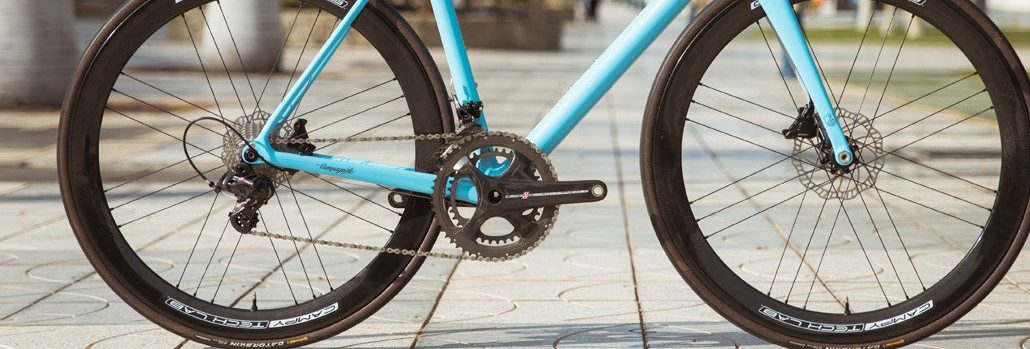
Switch to a double chainring
Switching from a triple chainring to a double chainring allows you toconsiderably lighten the mechanical assembly, whether on a road bike or a mountain bike. Admittedly, a triple crankset is more versatile, but it is still possible torefine the configurations of a double chainring to better suit the cyclist's riding style. On a classic crankset, the inner chainring can be configured with 42, 39, and even 38 teeth. The outer chainring can be configured with 50 to 53 teeth, depending on the terrain you regularly ride on.
A compact crankset offers even more configuration options, depending on the rider's performance. They are designeddesigned to allow the front derailleur to handle two chainrings with a larger tooth difference. It is therefore possible to combine an outer chainring with 53 to 46 teeth with an inner chainring with 36 to 33 teeth, or even up to 20 teeth for a mountain bike. The variety of teeth available for compact chainrings makes them a real asset in terms of versatility and adaptability to any configuration desired by the cyclist. The weight saving offered by installing these compact cranksets is around 250 grams.|>
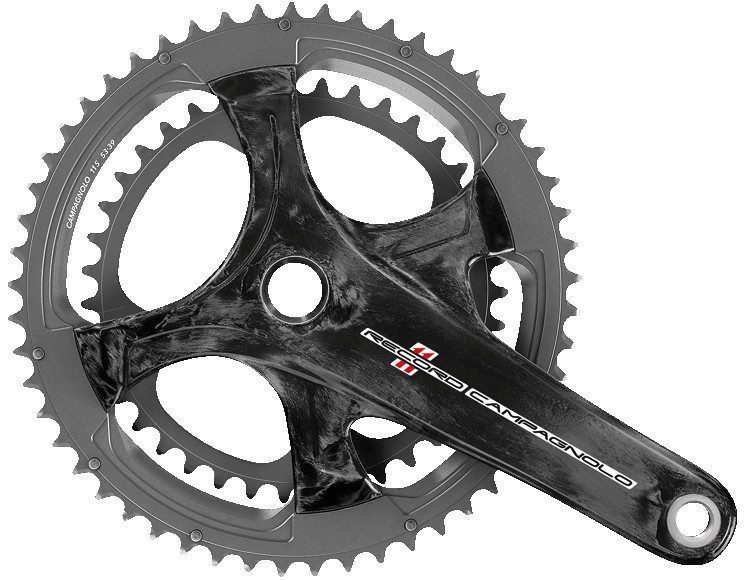
Install aluminium bike chainrings
Steel chainrings are still fitted to many bikes, especially suspension and semi-rigid mountain bikes, and are chosen for their high resistance to wear. However, they are excessively heavy compared to their aluminium counterparts. Replacing steel chainrings with aluminium ones can reduce weight by up to 200 grams, depending on the material chosen.|>
Lightweight bicycle brakes depending on use
The choice of braking system must be made appropriately for the discipline practised to avoid excess weight. Replacing disc brake calipers with V-brake calipers on road bikes and for more rolling disciplines in mountain biking, such as cross-country, can reduce the weight of the group by 100 to 250 grams depending on the model.|>
If the road bike is fitted with carbon wheels, it is advisable to install soft rubber pads specifically designed for this type of wheel.for this type of wheel.

Consider the higher range
Installing one of the components from the higher range can also make a bike's mechanical group lighter. There is often a significant difference in weight between products from the same brand. For example, a complete Shimano Dura Ace 9000 road bike group weighs 1,931 grams, while an Ultegra 6800 group weighs 2,299 grams. The Shimano Tiagra 4600 group weighs 2,750 grams, which is 819 grams more than the Dura Ace and 451 grams more than the Ultegra.Ultegra. These values include the weight of the cassette, derailleurs, chain, brake calipers, crankset and brake and derailleur levers.
Go further with high-end bike components
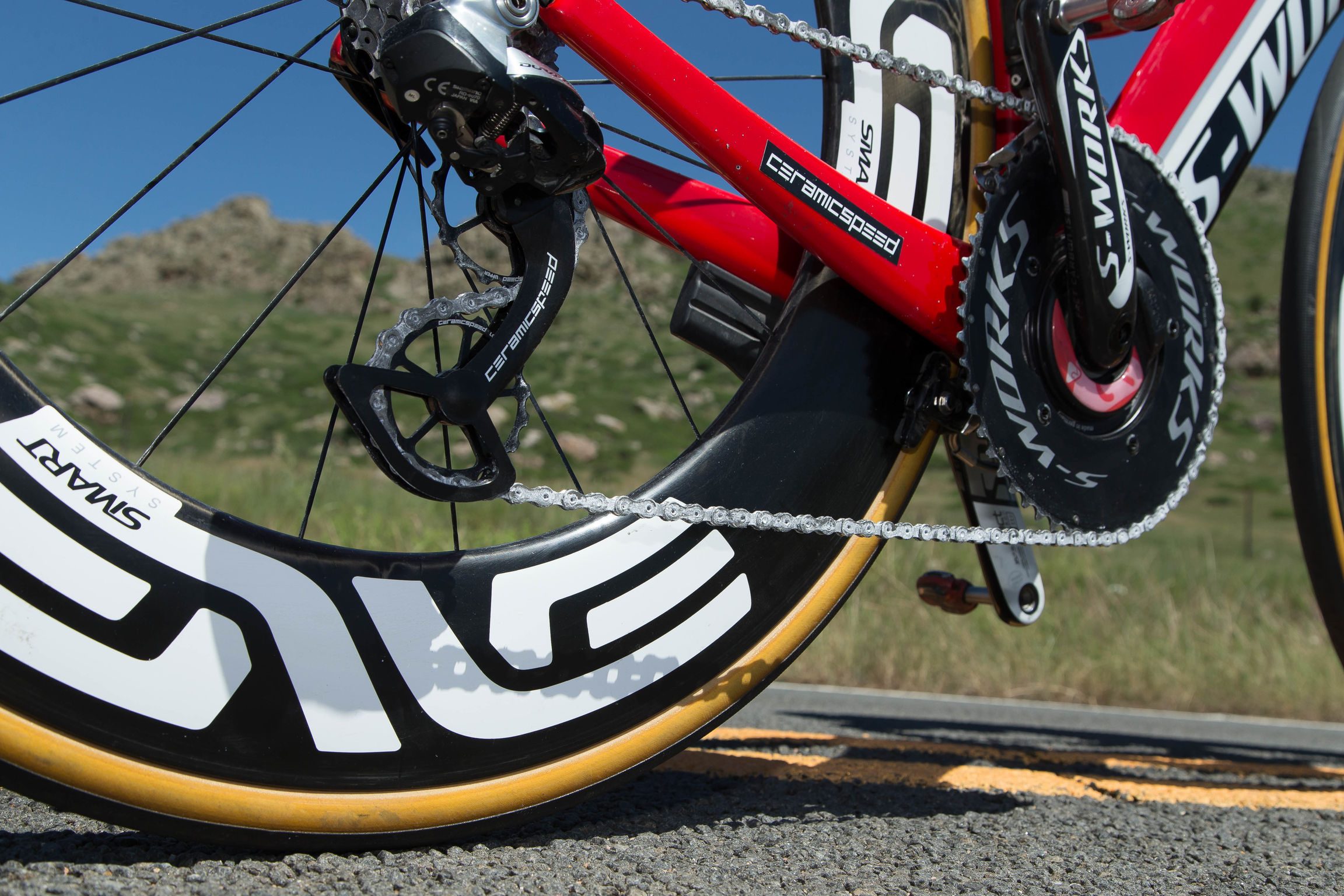
&Carbon group components, ceramic accessories, and the installation of high-end components can be expensive, but they are still the ultimate solution for lightening the bike's group. Manufacturers offer group components designed for high-level use, such as carbon cranks and axles, carbon rear and front derailleurs, and|>
<élo route" width="450" height="300" />
Also available on the market are ceramic ball bearings for the bottom bracket and titanium chainring bolts, which shave off a few dozen grams, in addition to improving performance and durability. Lightening your bike's mechanical components means investing in higher quality parts, but above all, parts that are well suited to the discipline you practise.|>
Depending on the budget allocated for this purpose, the results can lead to a group that is up to 1,500 grams lighter. This is a significant reduction, especially in road cycling, where weight is a key factor in performance.|>