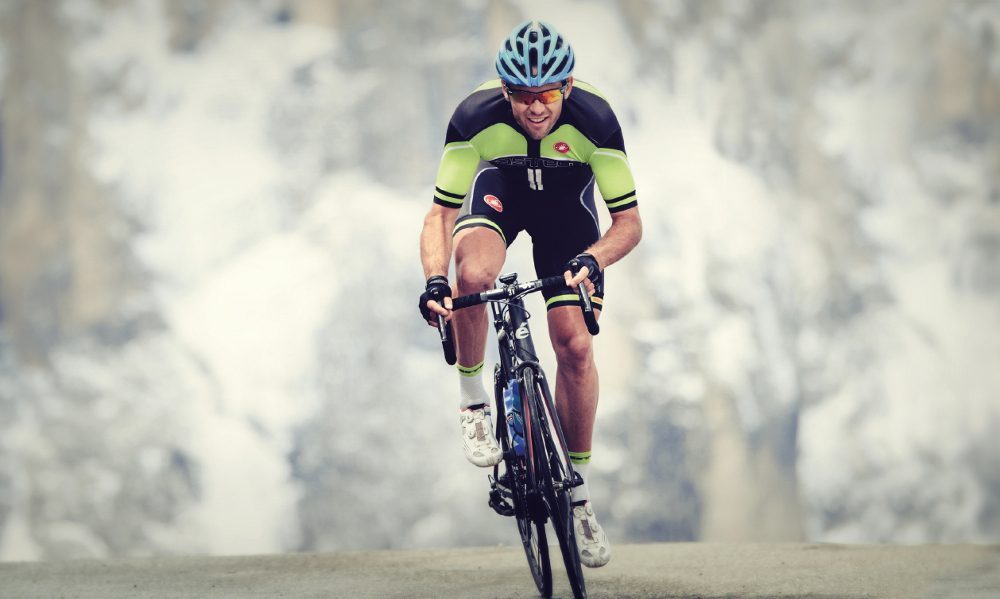
What headwear should you wear?
Cycling headwearprovides protection against impacts and weather conditions. Apart from the bike helmet, the items are made specifically for each season.
The helmet
The helmet is an essential piece of safety equipment on a road bike. Its purposeis to protect the cyclist in the event of a fall without compromising comfort during the ride. Sometimes solid and sometimes hollow, its design can vary greatly from one model to another depending on the cyclist's preferences and the discipline they practise.depending on the cyclist's preferences and the discipline they practise.The cap, peaked cap and balaclava
The cycling cap, peaked cap and balaclava are accessories that complement the helmet. They are worn under the helmet to protectprotect the cyclist's head from the sun, rain and cold, but also from insects that can get into the helmet through the vents and can be very uncomfortable. This equipment can also be worn on top of a helmet.very uncomfortable. This equipment can also be worn without a helmet, except in competitions where helmets are mandatory.|>
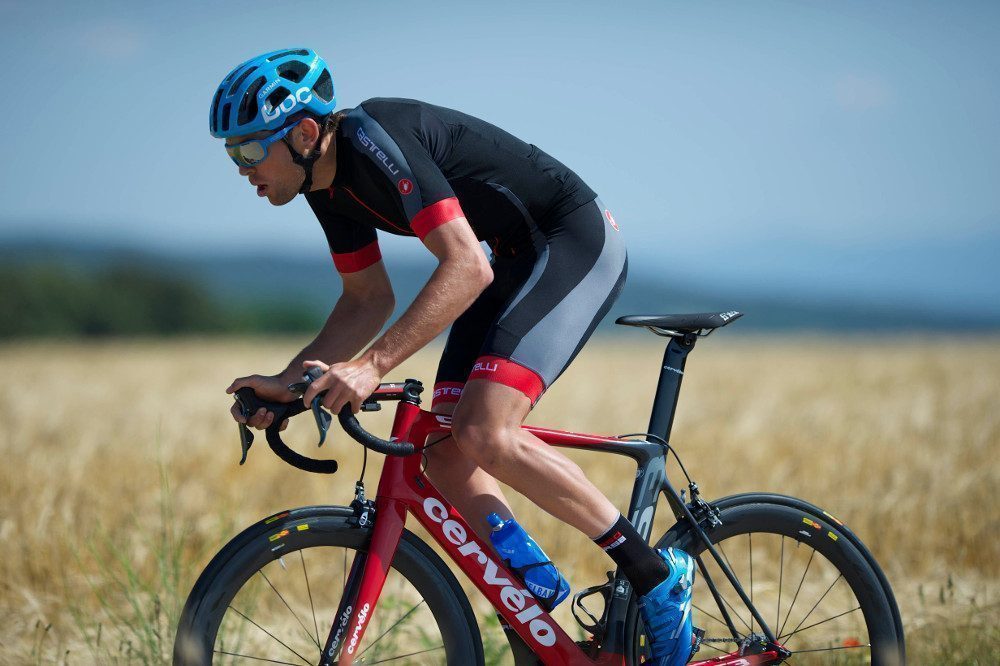
What should you wear on your upper body?
Every cycling clothing manufacturer develops its own fabric to produce increasingly high-performance garments for protecting the upper body. In this sense, winter clothing provides greater technical comfort, while summer clothing is more effective against heat and sunburn.
The cycling jersey
For the upper body, the jersey is the main item of cycling clothing. It can be a short-sleeved, long-sleeved or sleeveless cycling jersey. Road cycling jerseys are designed with a close fit to promote airflow and reduce drag.designed with a close fit to promoteaerodynamics, unlike mountain bike jerseys, which are loose-fitting.
Rain jackets and windbreakers
Depending on the season, cyclists can complement their jerseys with a winter cycling jacket, a windproof vest or even a raincoat. These items are chosen to improve protection in more challenging weather conditions, but also to allow for a change of clothing if necessary.improve protection in more challenging weather conditions, but also to be prepared for any changes in the weather.
Cuffs
Cycling arm warmers are used in addition to a short-sleeved jersey to protect against the cold or sunburn. This gear is lightweight and very practical to carry in case of changing weather conditions.|>
Gloves
Cycling gloves are designed to allow you to maintain control of the handlebars of a road bike, as well as the brake and gear levers. They ensure good mobility in cold weather by keeping your fingers warm, and a good grip by providing adhesion in hot weather.gt;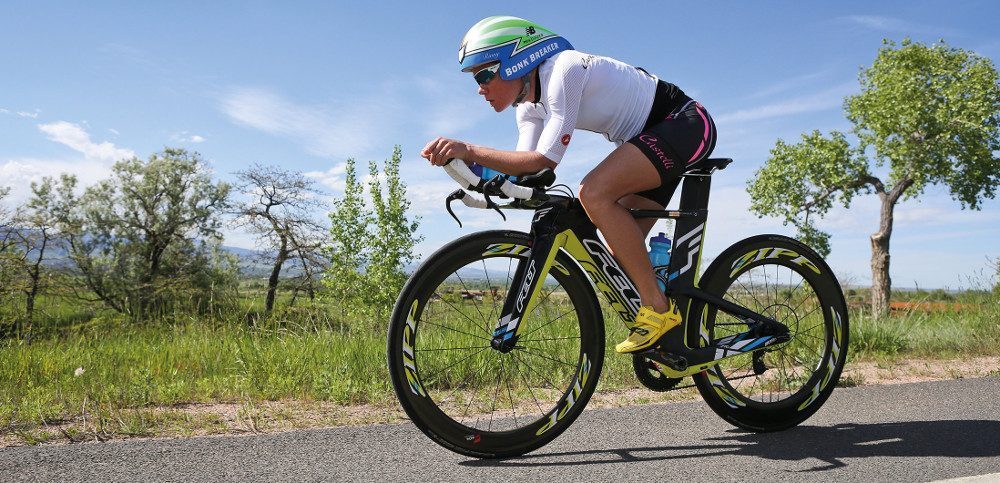
What to wear on your lower body?
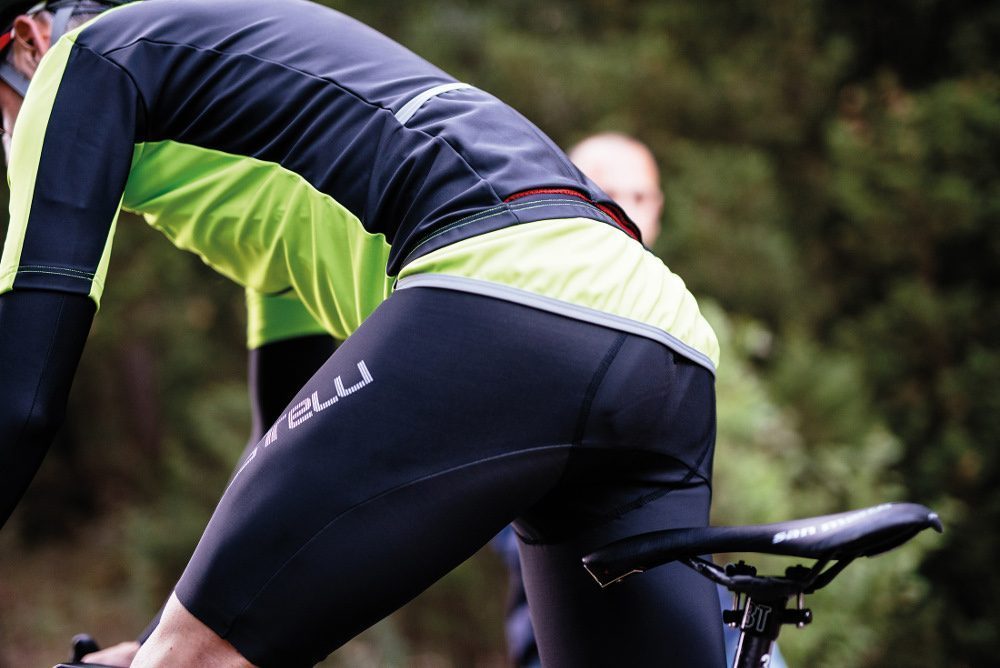
Lower body clothing is designed to protect against the weather, but that's not all. In fact, some manufacturers design the fabric and cut of these items to gently compress the most used muscles in the leg. This compression stimulates blood circulation, thereby ensuring better oxygenation of the muscles.
Cycling shorts
Cycling shorts can be short, mid-thigh length or long, down to the ankles. Some long cycling shorts have a strap that goes down to the heels, while others have an elastic band at the ankles. They may also have shoulder straps for support or an elasticated waistband. Road cycling shorts are designed to minimise air resistance and therefore have a close fit.to minimise air resistance and therefore have a close fit.|>
Cycling shorts
Cycling shortsare the best compromise between long and short cycling shorts. They come down to mid-calf length and provide ideal protection in changing weather conditions.The chamois pad
The chamois pad is a device inserted under cycling shorts, bib shorts or capri pants to cushion shocks and vibrations in the seat area.. Made from foam or gel, it is often integrated into cycling clothing, although it can be sold separately in some cases. |>
Leg warmers and knee warmers
Leg warmers are designed to be worn over cycling shorts.worn with shorts. The same applies to knee pads, which are shorter. These accessories are lightweight and easy to carry, and are ideal for dealing with changing weather conditions.|>
Winter cycling clothing
Cycling in winter at temperatures below 10°C puts the cyclist's body under severe strain. The body's cooling can impair motor skills and muscle precision. For example, cyclists may find it difficult to operate their brake levers and steer their bikes with precision. In addition, cold significantly reduces muscle strength, in the sense that part of the body's energy must be expended to maintain body temperature. It is therefore essential to have the right clothing to ensure comfort and performance in cold weather.|>

Winter cycling outfitélo hiver" width="450" height="217" />